Building a fair-chance ecosystem that students can navigate.
Reflections from the Fair Chance to Advance convening hosted by Jobs for the Future.
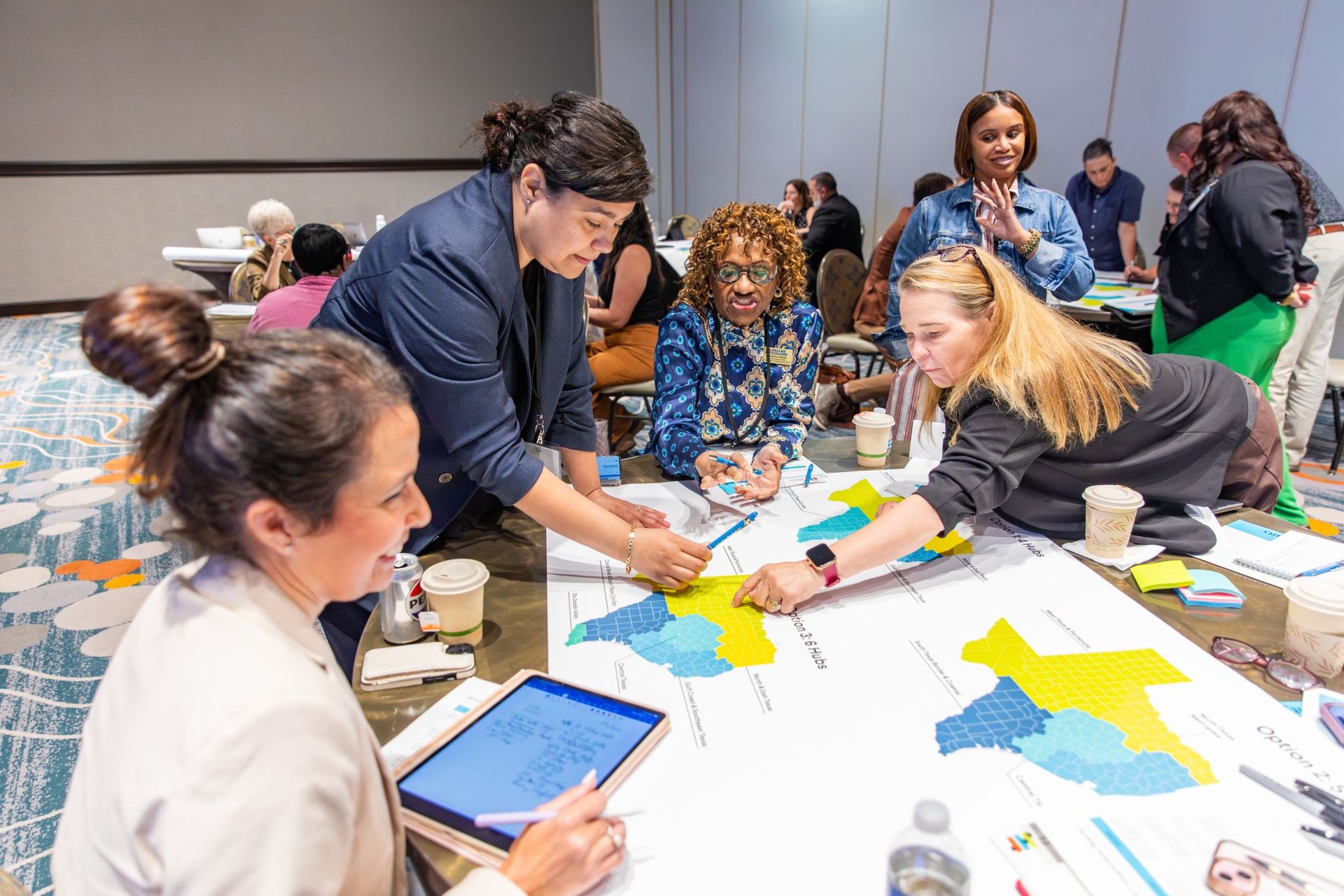
The convening brought together people working across higher education, workforce development, corrections, reentry, employment, advocacy, and policy. The appetite for collaboration was clear. So was the challenge: many of the systems that affect students are still operating beside one another rather than in true coordination.
Participants explored how relationships, referral pathways, geographic coverage, and service gaps shape the fair-chance ecosystem across Texas. The work reinforced a central question for TexCHEP: how can statewide infrastructure make strong programs and opportunities easier for students to find, understand, and navigate?
From relationships to durable infrastructure
Many connections across the ecosystem depend on individual bridge-builders. Those relationships are valuable, but they can also be fragile when knowledge, trust, and coordination live with a few people instead of within durable systems.
TexCHEP already functions as connective tissue across education, corrections, workforce, advocacy, and reentry. The convening underscored the need for neutral organizations that can synthesize information, translate across sectors, preserve institutional knowledge, and make the statewide landscape more coherent.
A resource can exist and still be inaccessible if a student does not know what is available, who is eligible, where it operates, whom to contact, or how to move from one system to the next.
Ideas worth carrying forward
- Continue mapping programs, partnerships, referral pathways, and regional gaps across Texas.
- Build student-accessible navigation tools that make eligibility, geography, and points of contact easier to understand.
- Explore compensated peer-support ambassador models led by formerly incarcerated students and community leaders.
- Strengthen relationships with workforce boards, reentry organizations, and other sectors that shape educational continuity.
- Center student experience and voice when defining fair-chance infrastructure.
- Protect a vision of education that includes economic opportunity without reducing learning solely to workforce outcomes.
Texas is too large and varied for coordination to happen by accident. With 254 counties, numerous correctional facilities, colleges, workforce regions, and community organizations, students need an ecosystem that is both connected behind the scenes and legible at the point of use.
For TexCHEP, the opportunity is to help build both forms of infrastructure: stronger connections among organizations and clearer pathways for students themselves.
Back to all stories →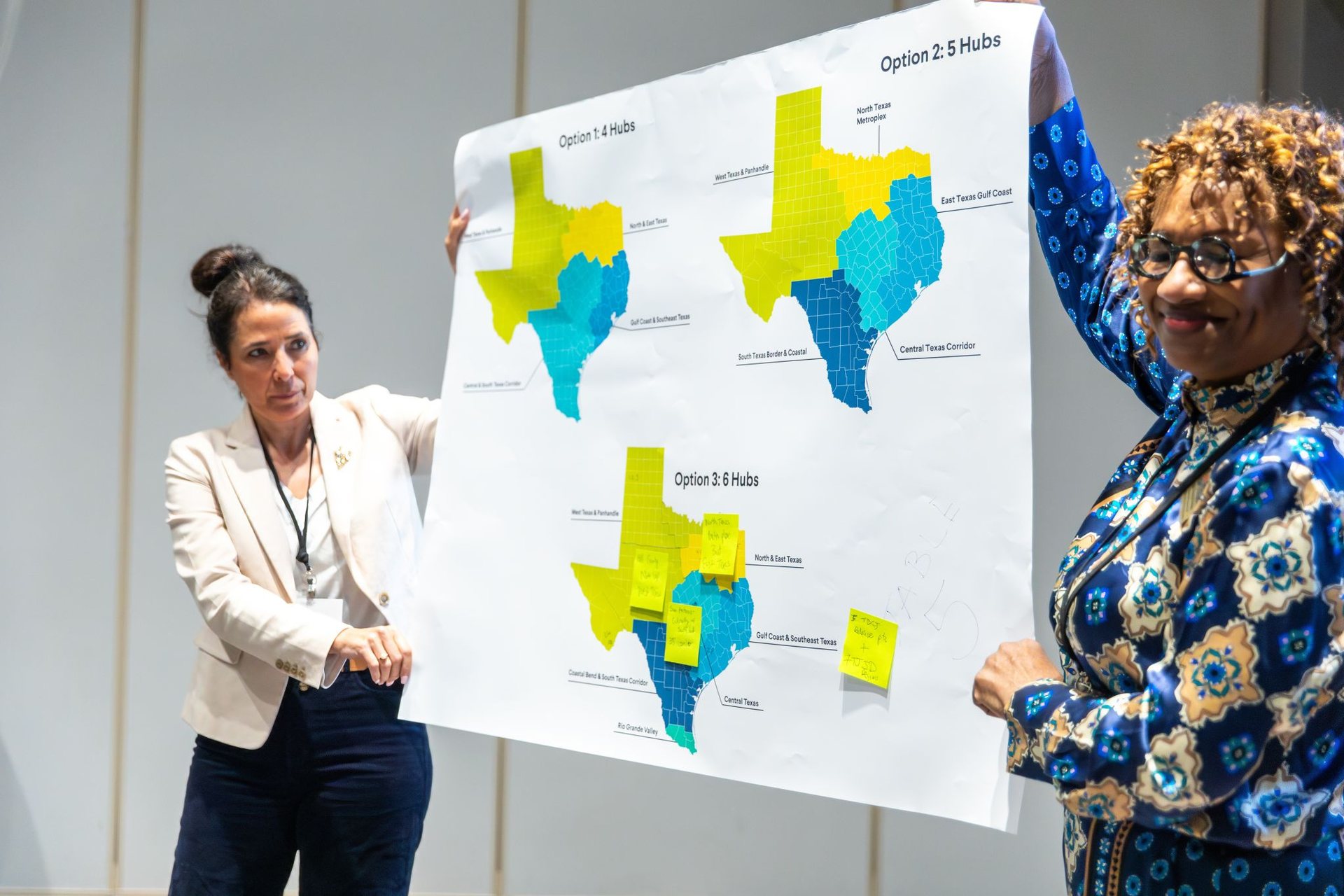
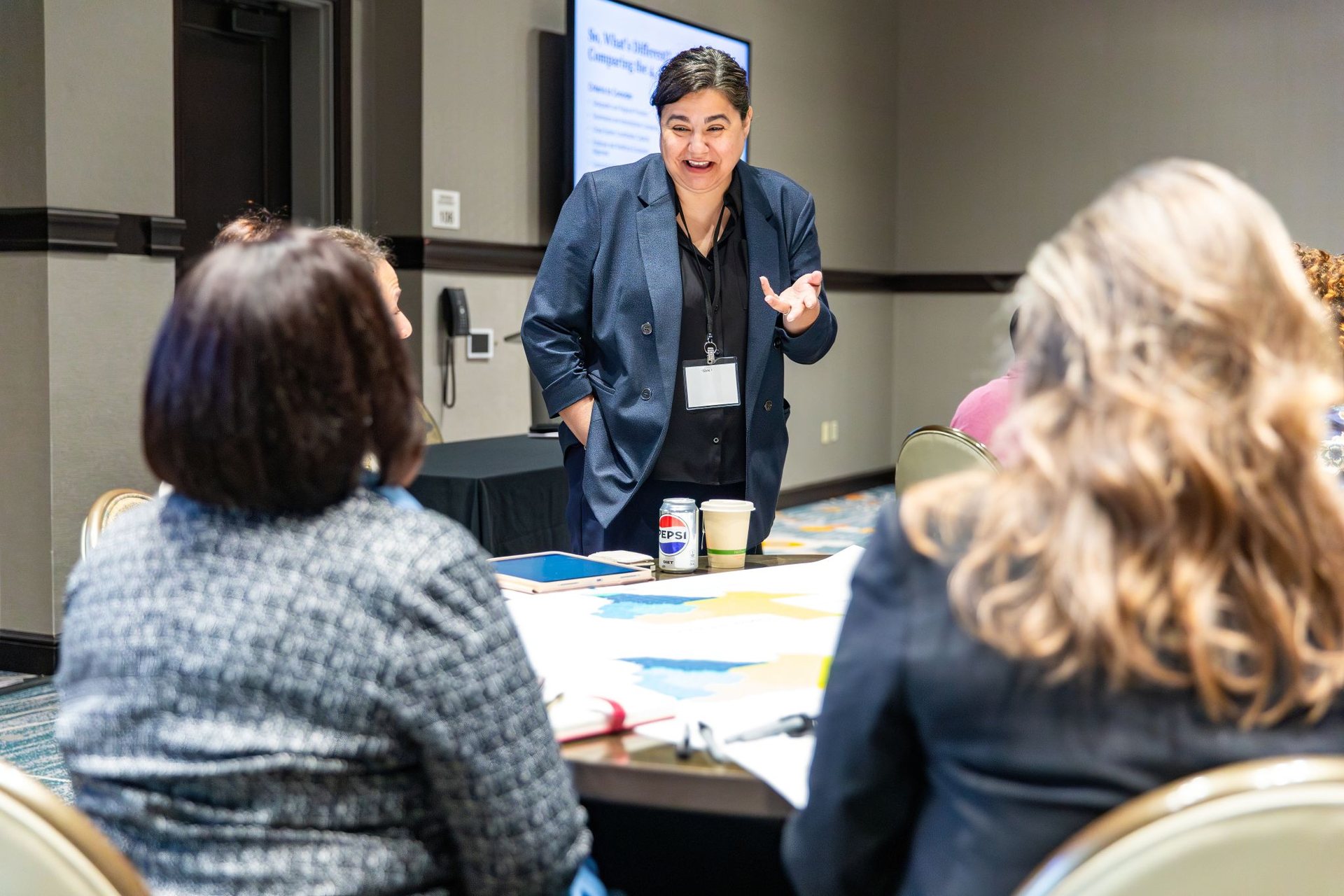
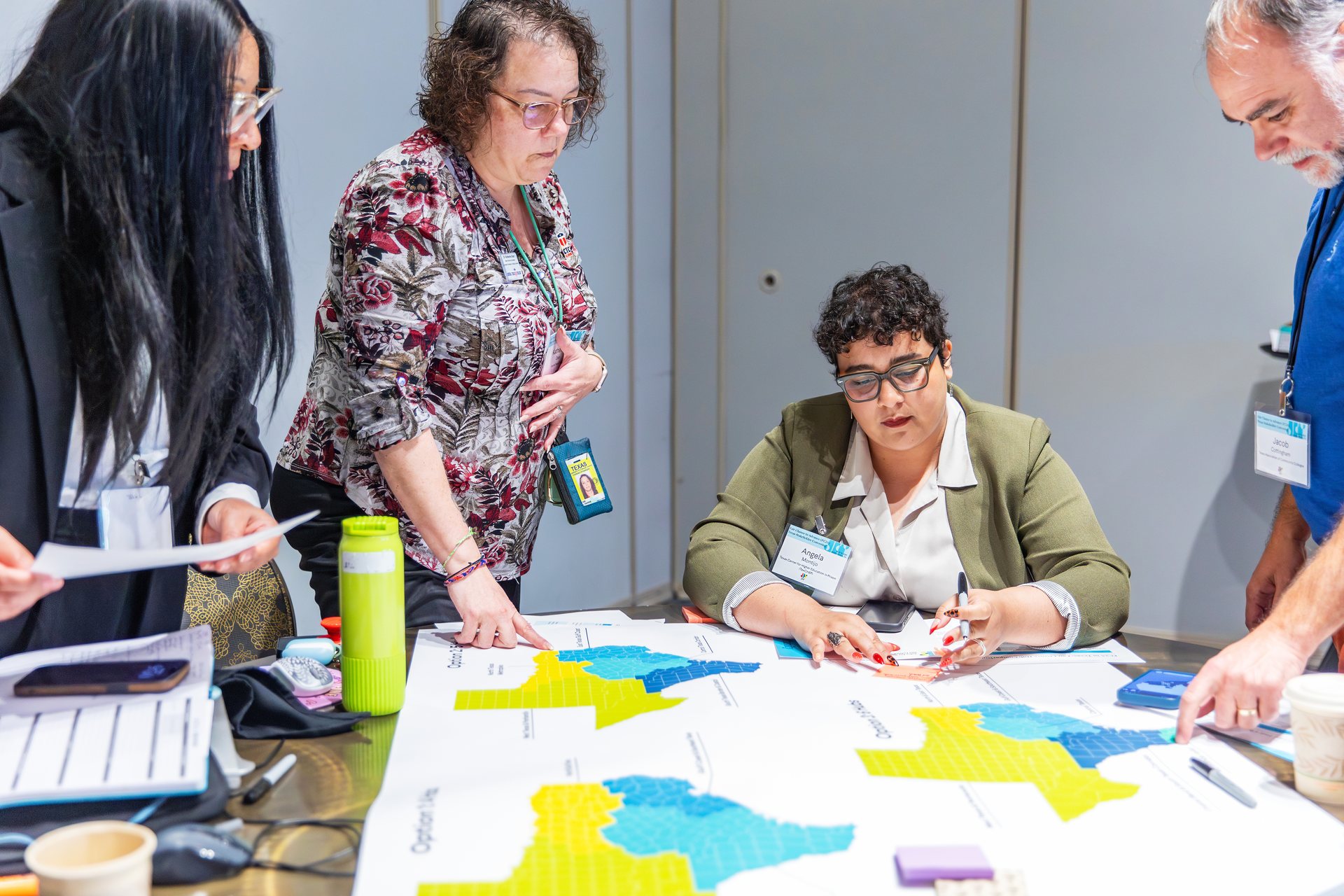
Participants worked through questions of geography, regional coordination, and the relationships needed to make fair-chance systems stronger across Texas.